
DMEA 2026: A Review of Highlights and Key Takeaways
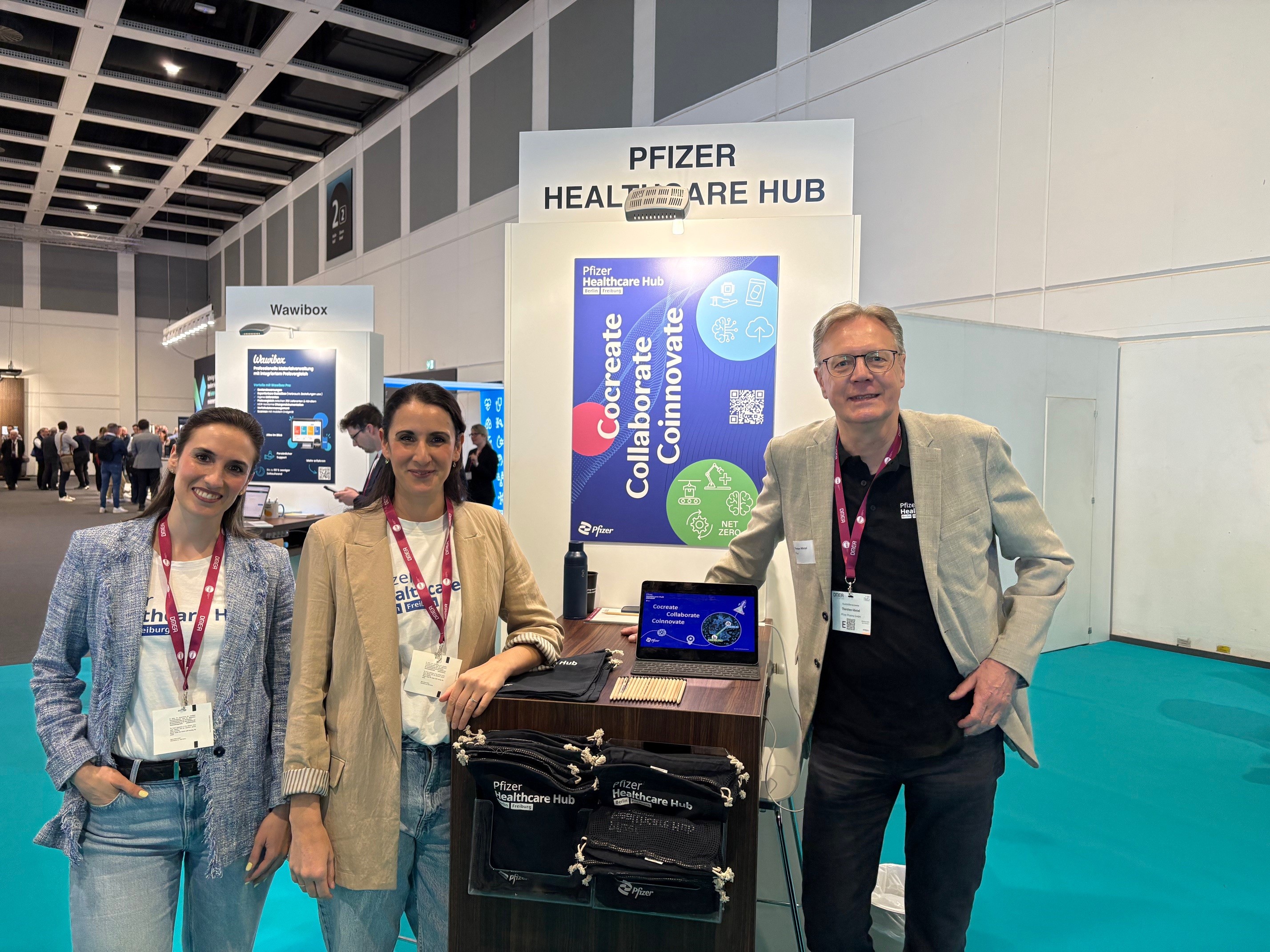
Over the course of three days, Berlin became a central meeting point for the digital health community. From April 21 to 23, DMEA brought together 22,000 participants from nearly 30 countries. The Pfizer Healthcare Hub team was present with its own booth and used DMEA as a platform for exchange, networking, and discussions on key future topics in digital healthcare. What follows is an overview of the highlights and key takeaways from three days at DMEA.
Program highlights
The keynotes and expert sessions offered a clear perspective on where the healthcare system is heading.
- Minister Nina Warken set important health policy priorities around digitalization. In addition to the keynote sessions, start‑up pitches provided insights into innovative solutions from across the healthcare ecosystem.
- An inspiring change of perspective came from Inga Bergen with her talk “Why the future of medicine needs a giraffe”– a call to rethink patient journeys and approach transformation in a more holistic way.
- Dr. Justus Wolff demonstrated how certified AI solutions could soon support physicians in outpatient care, particularly in diagnostics and therapy.
Key takeaways from the Pfizer team
- AI has arrived in everyday healthcare delivery
DMEA clearly demonstrated that AI has arrived in day‑to‑day healthcare delivery—not as a pilot, but as a productive tool supporting diagnostics, clinical decision‑making, documentation, and patient navigation. A key prerequisite is that AI solutions integrate seamlessly into existing IT and care structures. - Interoperability remains the key to scaling
One central takeaway from DMEA: without interoperable data spaces, AI cannot be scaled. Common standards, structured data, and integrated systems are fundamental requirements for deploying digital solutions in healthcare.
At the national level, discussions focused on the electronic patient record (ePA), particularly on how data can be standardized and which conditions need to be met to drive broader adoption among patients, physicians, and institutions.
At the European level, attention turned to the European Health Data Space (EHDS). A panel discussion at the Finnish Embassy highlighted that the rapid development of technical and organizational infrastructures is critical. Finland emerged as a reference model: digital processes are widely established, and health data is already being used systematically for prevention—for example, in breast cancer screening. - Digital care empowers patients and relieves healthcare professionals
Digital solutions were clearly positioned as a lever to relieve healthcare professionals while strengthening patient engagement – for example through therapy apps that are increasingly enhanced with AI‑based functionalities. - Partnerships and ecosystems are gaining importance
Innovation is increasingly emerging within ecosystems. Partnerships between start‑ups, industry, healthcare providers, and research institutions are key to jointly developing and scaling digital solutions. Conversations at the Pfizer booth – covering a wide range of approaches to improving the patient journey – clearly reinforced this insight.
Conclusion
DMEA 2026 once again demonstrated that digitalization, data, and AI are key levers for advancing quality, efficiency, and patient benefit in healthcare. However, sustainable success depends less on individual technologies than on effective collaboration across the broader ecosystem.
This is where the Pfizer Healthcare Hub comes into play. Together with external partners, we develop solutions aimed at improving patient care. The exchange at DMEA – and the many conversations at our booth – clearly highlighted how critical this form of collaboration is to not only envision innovation, but to implement it effectively.
The time is now: QuantumAI in the healthcare sector
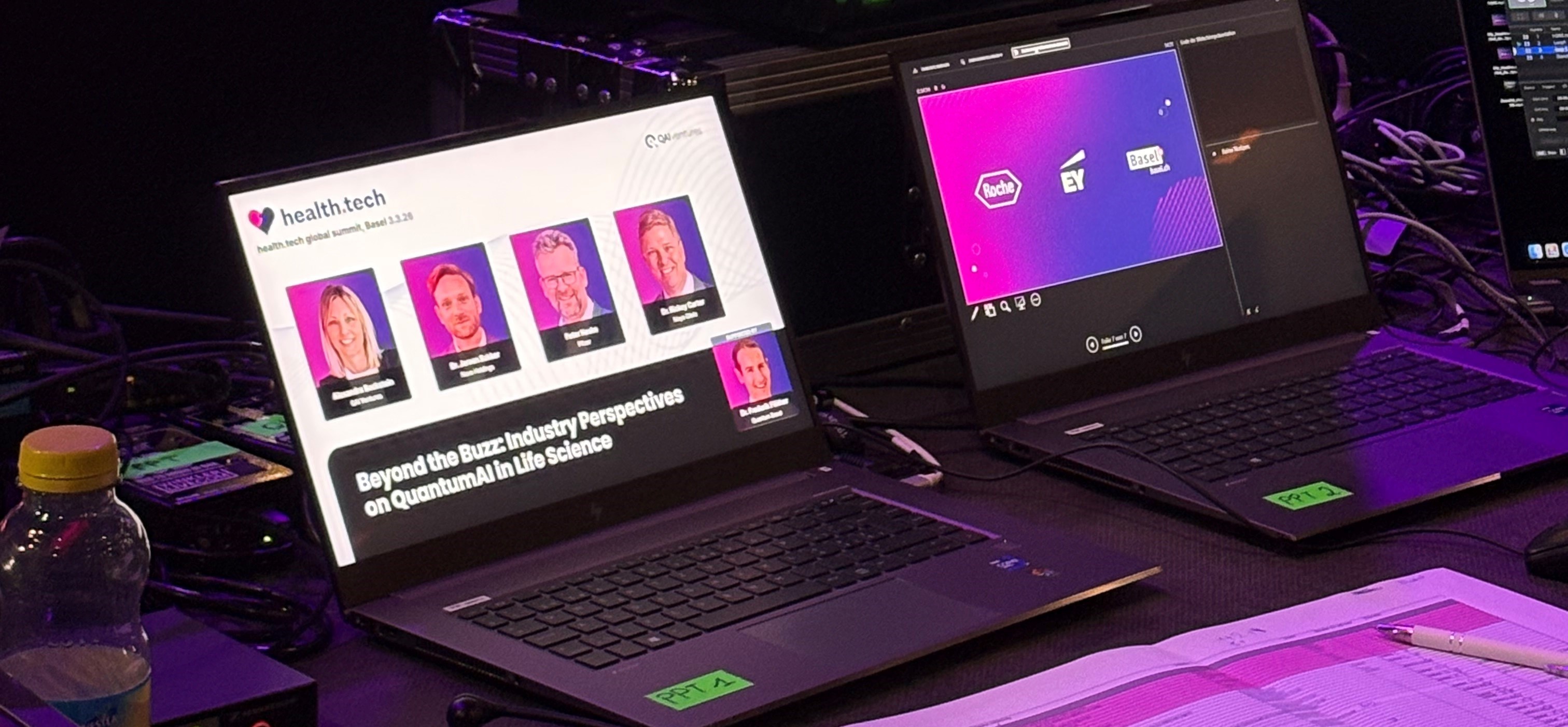
At the health.tech global summit held in early March in Basel, innovators, decision-makers, and industry experts from across the healthcare ecosystem came together to discuss the future of digital health. One of this year’s key themes was the role of AI in healthcare. Peter Neske contributed the Pfizer perspective to a panel session on QuantumAI in the life sciences. The key takeaway: QuantumAI is no longer a purely theoretical field of the future. Companies should begin building capabilities now through pilot applications to ensure long‑term competitiveness.
The health.tech global summit is one of the leading international meeting points for digital health and health‑tech innovation, bringing together start‑ups, hospitals, life sciences companies, investors, and policymakers. As part of a panel session moderated by Dr. Frederik Flöther (QuantumBasel), Peter Neske (Pfizer Healthcare Hub Freiburg) joined Alexandra Beckstein (QAI Ventures), Jeroen Bakker (Novo Holdings), and Rickey Carter (Mayo Clinic) to explore the use of QuantumAI in the life sciences.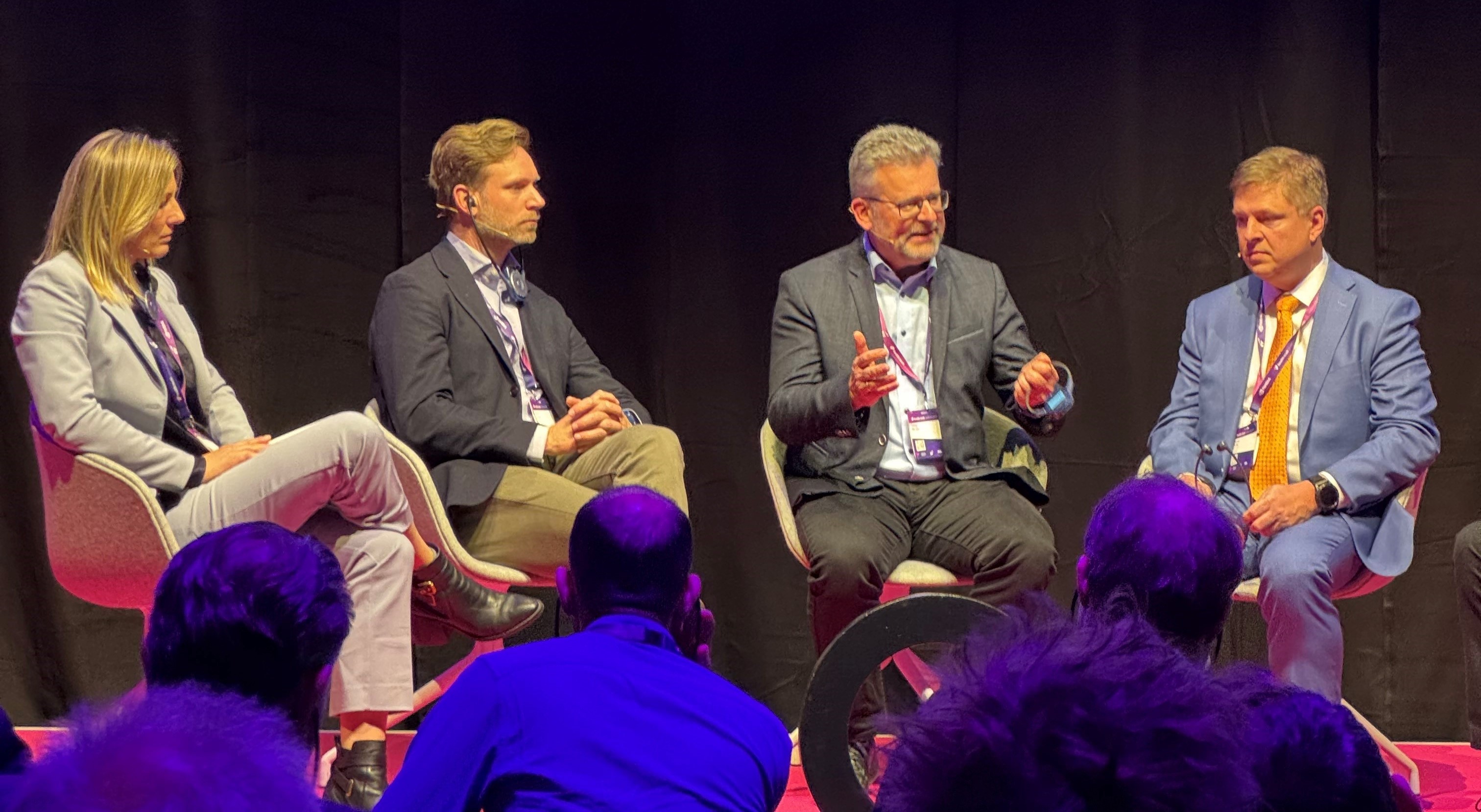
The risk of missed opportunity
The life sciences and healthcare sector is standing at a technological inflection point: developments in QuantumAI are advancing faster than organizations are able to operationalize them. Yet companies remain hesitant. According to the panelists, this hesitation carries a significant risk. German companies risk missing their AI learning curve if they wait for clear breakthroughs, while Europe and the United States are investing billions in quantum research and start-ups are setting new standards.
This is precisely why now is the time to systematically build quantum expertise. QuantumAI needs to become an integral part of strategic research on the R&D agenda and help create workforce readiness. Peter Neske outlined three use cases illustrating how Pfizer has approached the application of quantum technologies. Through pilot projects in production planning, oncology detection, and simulation, Pfizer has created experimentation spaces where early, actionable insights can be gathered and capabilities can be built. “We simply need to get started,” said Peter Neske.
No company can advance quantum alone
Progress can only happen when different areas of expertise come together: start‑ups drive technological experimentation at high speed, academic partners contribute scientific depth and methodological rigor, and industry users bring real‑world challenges from research, clinical practice, and manufacturing. Peter Neske illustrated this co‑creative approach with a pilot project from production planning: in this pilot, which focused on optimizing production planning using the quantum annealing method, Pfizer collaborated closely with D-Wave and QuantumBasel.
Learn more about the pilot project on optimizing production planning with quantum annealing:
Quantum Annealing in a Proof of Technology: Pfizer Freiburg explores new methods in production planning
Conclusion
The discussion at the health.tech global summit made one thing clear: those who wait risk falling behind, while those who experiment build knowledge, networks, and the ability to execute. Pilot projects and partnerships are essential, because no company can manage the complexity of quantum on its own. The path forward lies in shared learning, open ecosystems, and the courage to test technologies in practice long before they reach commercial maturity.
Innovation at Pfizer: perspectives from the site, the Hub, and the ecosystem
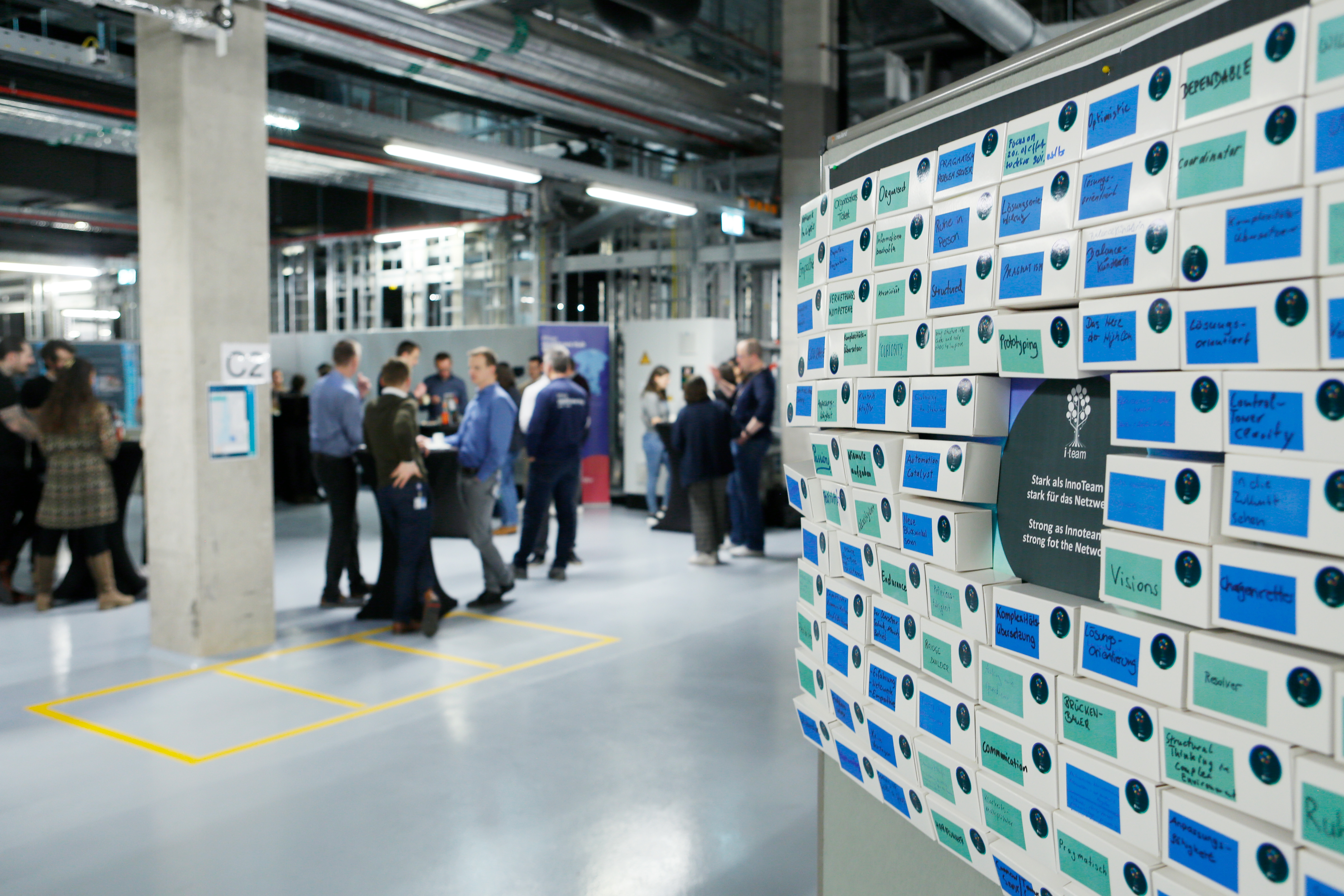
Pfizer’s innovation team – the iTeam – recently invited around 120 colleagues from the Freiburg manufacturing site and the global Pfizer network to an event held at the High‑Con facility in Freiburg. In the middle of the production environment, the site’s innovation DNA became tangible: through keynotes, an interactive gallery walk showcasing use cases and the working areas of the Pfizer Healthcare Hub and Knowledge Management, as well as a networking lunch.
During an interactive format featuring internal and external innovation impulses – the ‘InnoSession Special’ – the iTeam, made up of the Pfizer Healthcare Hub and Knowledge Management, offered insights into concrete innovation projects and the Hub’s role as a central point of contact for questions from business units as well as the first touchpoint for external innovators.
How do innovative solutions make their way into the Pfizer network?
The Healthcare Hub team connects challenges from the business units with external solutions through a format known as an InnoSession. In these short, high‑intensity sessions, external companies present innovative approaches to process optimization. The Hub team curates these solution proposals, placing emphasis on disruptive innovations that deliver strategic value.
Innovation as a competitive advantage
Oana Stürz, Innovation Engineer at the Pfizer Healthcare Hub, welcomed the guests from the Freiburg manufacturing site as well as the international site leader team.
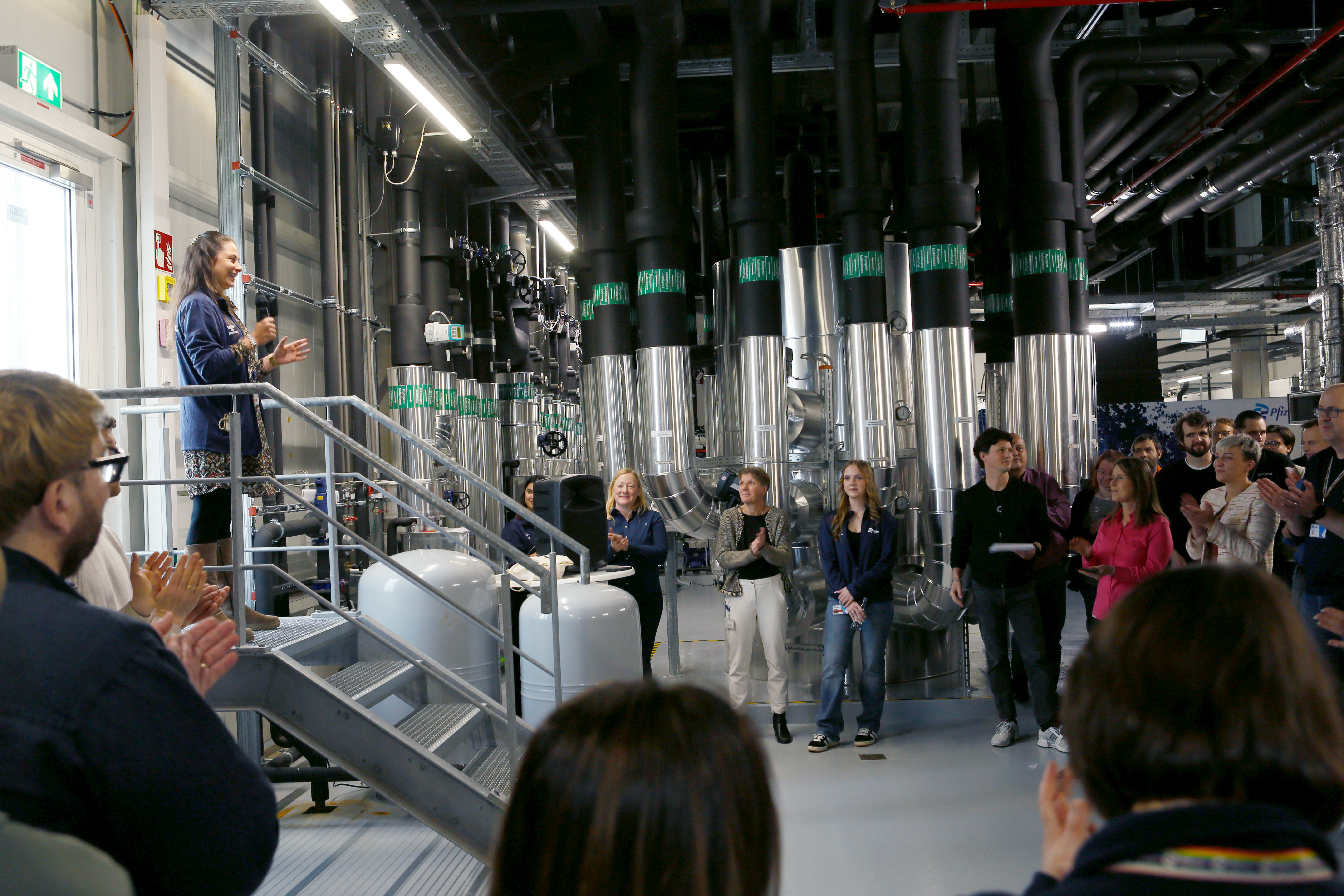
Anne Kessler, Site Lead of Pfizer’s Freiburg manufacturing facility, spoke about the importance of innovation for Pfizer and reflected on the company’s early beginnings. According to Kessler, the spirit of innovation has been a defining part of Pfizer’s DNA from the very start. ‘Try again,’ exploring new paths, and embracing the necessary level of frustration tolerance – that, she said, is the Pfizer spirit. She emphasized that this ability to innovate is a key competitive advantage.
“It’s the people who make the difference”
Thomas Scheuerle, Managing Director of Badencampus, provided an overview of the region’s innovation ecosystem and positioned the Pfizer Healthcare Hub as an important player within it. He highlighted the Hub’s progressive understanding of innovation and emphasized the commitment of Peter Neske and his team to strengthening the regional ecosystem. According to Scheuerle, the Pfizer Healthcare Hub is not only a driving force for innovation but also a benchmark.
Discovering innovation through real use cases
During the subsequent gallery walk, guests had the opportunity to explore more than 30 posters showcasing concrete innovation use cases – including, for example, the development of an adapter using 3D printing – and to engage directly with subject‑matter experts. In addition, the Pfizer Healthcare Hub presented its areas of work, such as managing the internal and external innovation network, scouting potential innovation partners, and outlining the governance process.
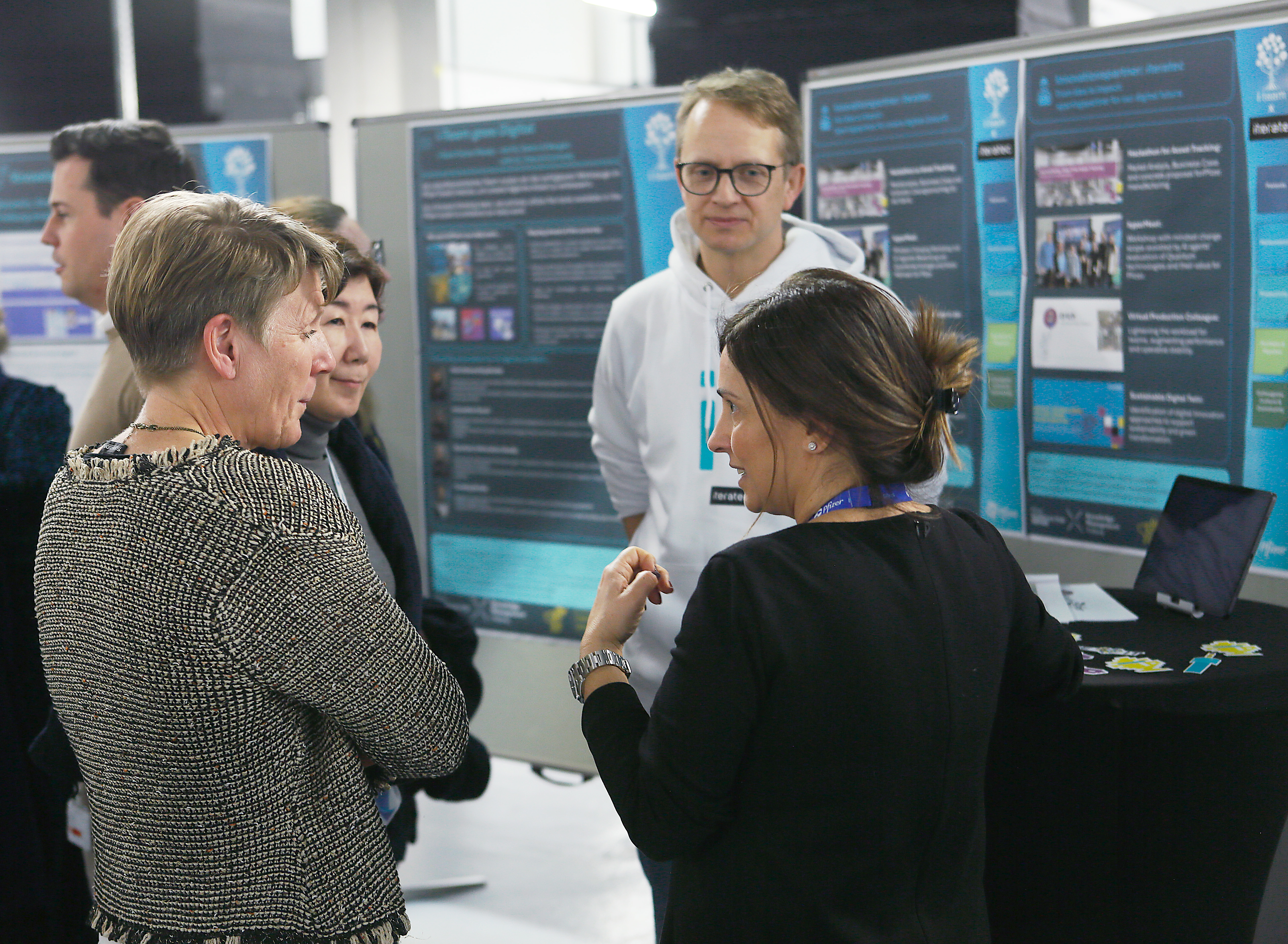
In informal conversations at the different stations and later during the networking dinner, a lively exchange emerged: new connections were made, discussions from earlier program segments were deepened and further developed, individual questions were explored, and potential solution pathways were considered.
From Freiburg into Pfizer’s international network
The event impressively demonstrated how innovation at Pfizer is conceived, driven forward, and brought to life together with strong partners. The Healthcare Hub plays a central role as a point of contact and connective node for both external solution providers and Pfizer’s internal business units.
For external innovators, collaborating with the Pfizer Healthcare Hub Freiburg is particularly attractive because solutions implemented at the Freiburg manufacturing site have the potential to be replicated or scaled across Pfizer’s international network.
TU Berlin Visits the Pfizer Healthcare Hub Berlin
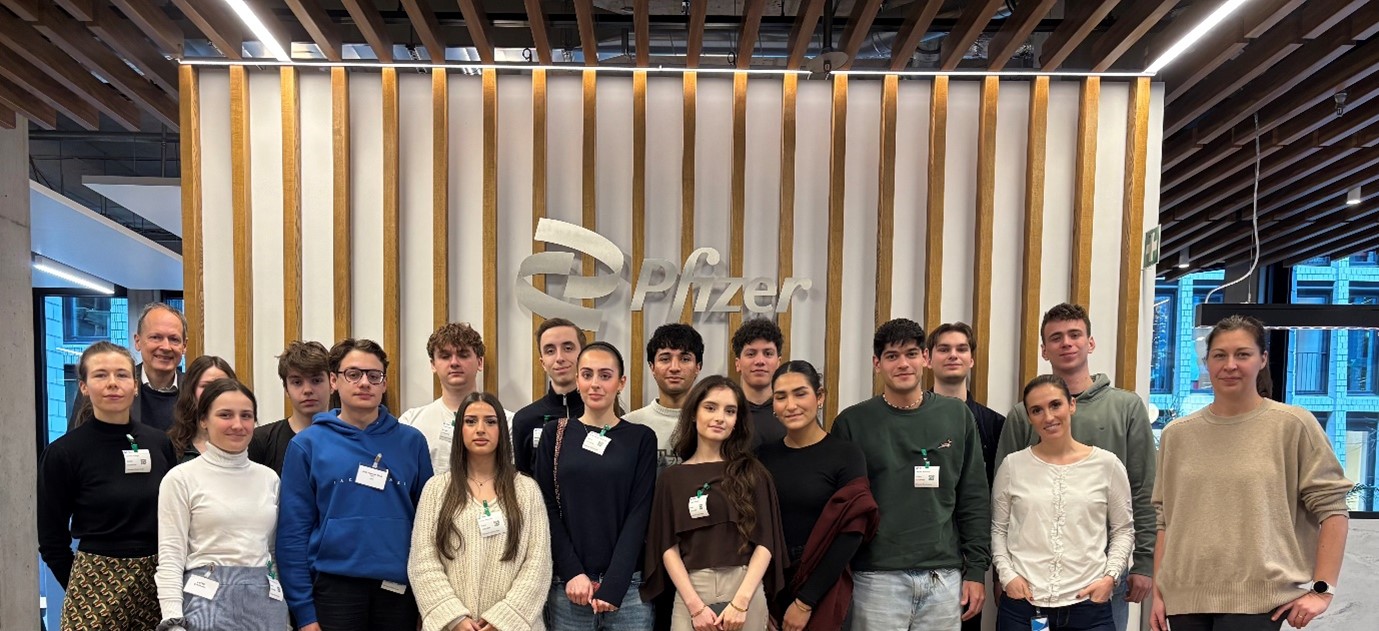
The Pfizer Healthcare Hub Berlin recently welcomed students from TU Berlin at Pfizer’s German headquarters. The visit aimed to provide the students with insights into the pharmaceutical industry, with a particular focus on digitalization and innovation processes. This resulted in a lively exchange on strategic innovation in healthcare.
Torsten Mintel, Director Strategic Innovation, introduced Pfizer and provided an overview of key figures and the company’s innovation priorities. He highlighted the strategic importance of innovation for Pfizer and, using current projects as examples, illustrated what strategic innovation means in practice and which objectives Pfizer pursues. The presented approaches were subsequently discussed in an open and interactive exchange.
A particular highlight was a virtual tour of Pfizer’s production site in Freiburg, which is regarded as a pioneer in lean manufacturing as well as environmental protection and sustainability.
Practice‑Oriented Case Studies on Technological Trends and AI
To deepen their understanding, the aspiring healthcare managers were asked to work on the following case studies:
- Which technological trends will become relevant for Pfizer in the future?
- What added value, opportunities, and risks does AI create for patients, healthcare professionals, and Pfizer?
Learning from each other across academia and industry
The exchange proved valuable for both sides: the students gained practical insights into the innovation processes of a pharmaceutical company, while the Pfizer Healthcare Hub team was inspired by the fresh perspectives and ideas of the next generation of healthcare professionals.